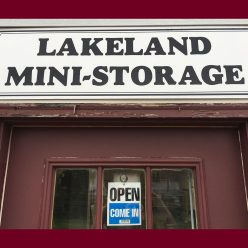
Camping is a beloved outdoor activity that requires a variety of gear, from tents and sleeping bags to cooking supplies and seasonal clothing. However, managing all that equipment can be challenging, especially when space at home is limited. A self-storage facility like Lakeland Mini-Storage can provide a practical solution for keeping camping gear organized and protected throughout the year. Here’s how to make the most of seasonal storage for your camping essentials.
Spring: Prepping for Adventure
As the weather warms up, campers eagerly prepare for the first outdoor trips of the year. While Memorial Day weekend is when Pymatuning Lake really starts to get busy, Spring is the perfect time to retrieve camping gear from storage and take inventory of what’s needed for the season ahead. Before heading out, inspect tents for any damage, check that sleeping bags are clean, and ensure cooking gear is in good working order.
Many campers use spring as an opportunity to reorganize their storage space. Sorting gear into labeled bins—such as “cooking supplies,” “sleeping essentials,” and “hiking accessories”—makes it easy to grab what’s needed for each trip. By keeping gear neatly arranged in a storage unit, campers can avoid cluttering their home while maintaining easy access to everything they need.
Summer: Quick and Easy Access
During peak camping season, frequent access to gear is essential. A well-organized storage unit allows campers to pick up and drop off items between trips without the hassle of digging through piles of equipment at home. Keeping summer-specific gear—like lightweight sleeping bags, sun shelters, and portable fans—separate from winter items can make packing easier.
Storage units also offer a secure place to store extra camping supplies that aren’t needed on every trip, such as backup tents, spare cooking gear, or emergency kits. This ensures that everything remains protected and ready for use without overcrowding living spaces.
Fall: Packing Away Summer Gear
As temperatures drop and camping trips become less frequent, fall is a great time to pack away summer-specific items and make space for cooler-weather gear. Storing items like hammocks, bug nets, and warm-weather clothing in clearly labeled bins helps ensure they stay in good condition for the next season, and our Pymatuning Lake storage units are just a phone call away.
This is also the ideal time to clean and properly store gear before long-term storage. Washing sleeping bags, airing out tents, and ensuring all cookware is clean and dry can prevent mold, mildew, and damage over the winter months. With proper storage techniques, everything will be fresh and ready to use when the next camping season begins.
Winter: Protecting Gear for the Off-Season
For those who don’t camp in winter, storing gear in a self-storage unit helps free up valuable space at home while keeping equipment safe from the elements. Winter storage is particularly useful for items that can be damaged by extreme cold, such as propane canisters, water filters, and electronic devices like GPS units or solar chargers.
Climate-controlled storage can be beneficial for delicate items like insulated sleeping bags, down jackets, and high-performance gear. Storing everything in plastic bins or vacuum-sealed bags provides an extra layer of protection from dust and pests. Even for winter campers, having a designated storage space keeps non-essential gear organized and out of the way.
Using a storage facility for camping gear allows outdoor enthusiasts to keep their equipment organized, accessible, and well-maintained throughout the year. By rotating seasonal items, cleaning and storing properly, and utilizing labeled bins, campers can streamline their packing process and enjoy stress-free trips. No matter the season, a well-organized storage space ensures that every adventure begins with the right gear in perfect condition.